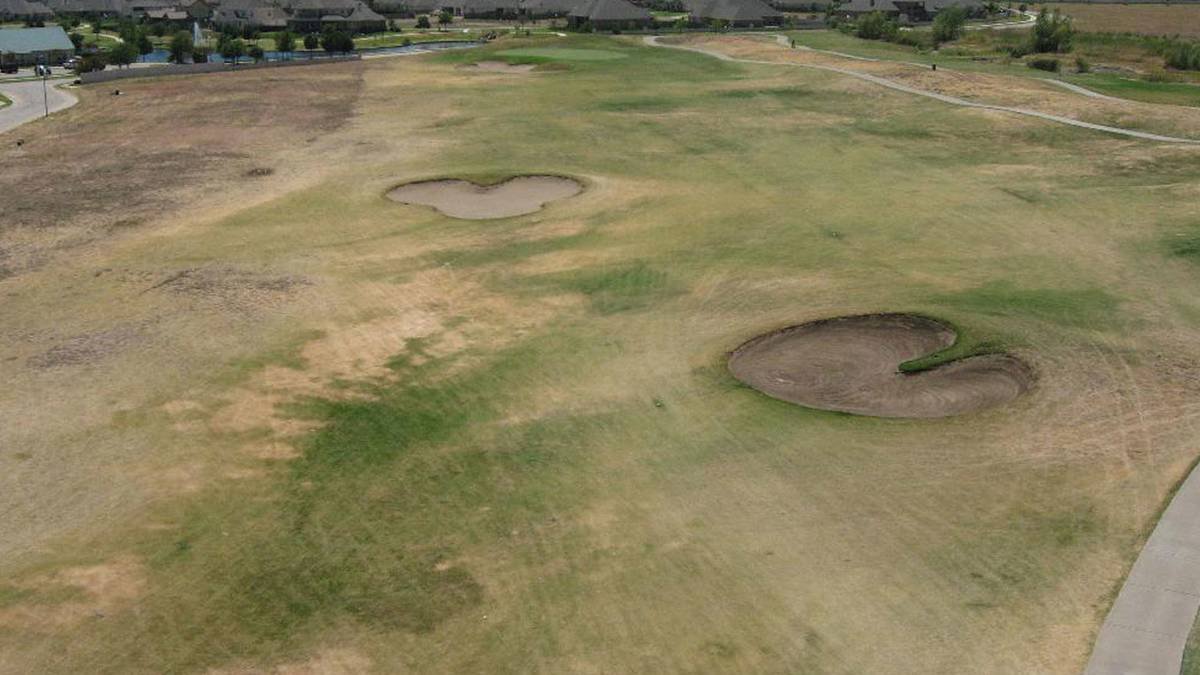
Yes—due to water shortages, California tightly regulates the amount of water that golf courses and other recreational facilities can use. Even so, golf courses are among the top consumers of water in California, with one 18-hole course capable of using 90 million gallons or more each year. Homes and businesses use only a fraction of that. Typically, during drought conditions, water boards in California will issue regulations that reduce the amount of water a golf course can use by somewhere between 25% and 40% of their normal usage. During severe droughts, regulations may restrict fairways from watering at all, saving water for the more sensitive greens and tees. In some places, there aren’t specific rules on which parts of the golf course can be watered, but there may be rules about specific irrigation methods to help ensure that as little water is wasted as possible. In a nutshell, when future drought restrictions come into play, this can drastically reduce the amount of water available to golf courses and other recreational venues—and that means ponds can play an important role in keeping golf courses up and running, even in a drought.
- Local restrictions: Many areas impose watering restrictions, such as limiting irrigation to specific days or times, especially during droughts.
- Permitting: Withdrawal from public water sources often requires permits that include a mandatory Water Conservation Program, as noted in NYSDEC’s regulations.
- Environmental laws: Courses must comply with broader environmental legislation, such as the Water Framework Directive, which may necessitate permits for projects like building reservoirs.
- Water quality: Restrictions can also relate to water quality, such as requiring the use of recycled water or certain treatment methods.
Do golf courses have to follow water restrictions?Regional and state regulatory agencies in California, Arizona and Nevada are mandating in many areas that golf courses reduce water use.