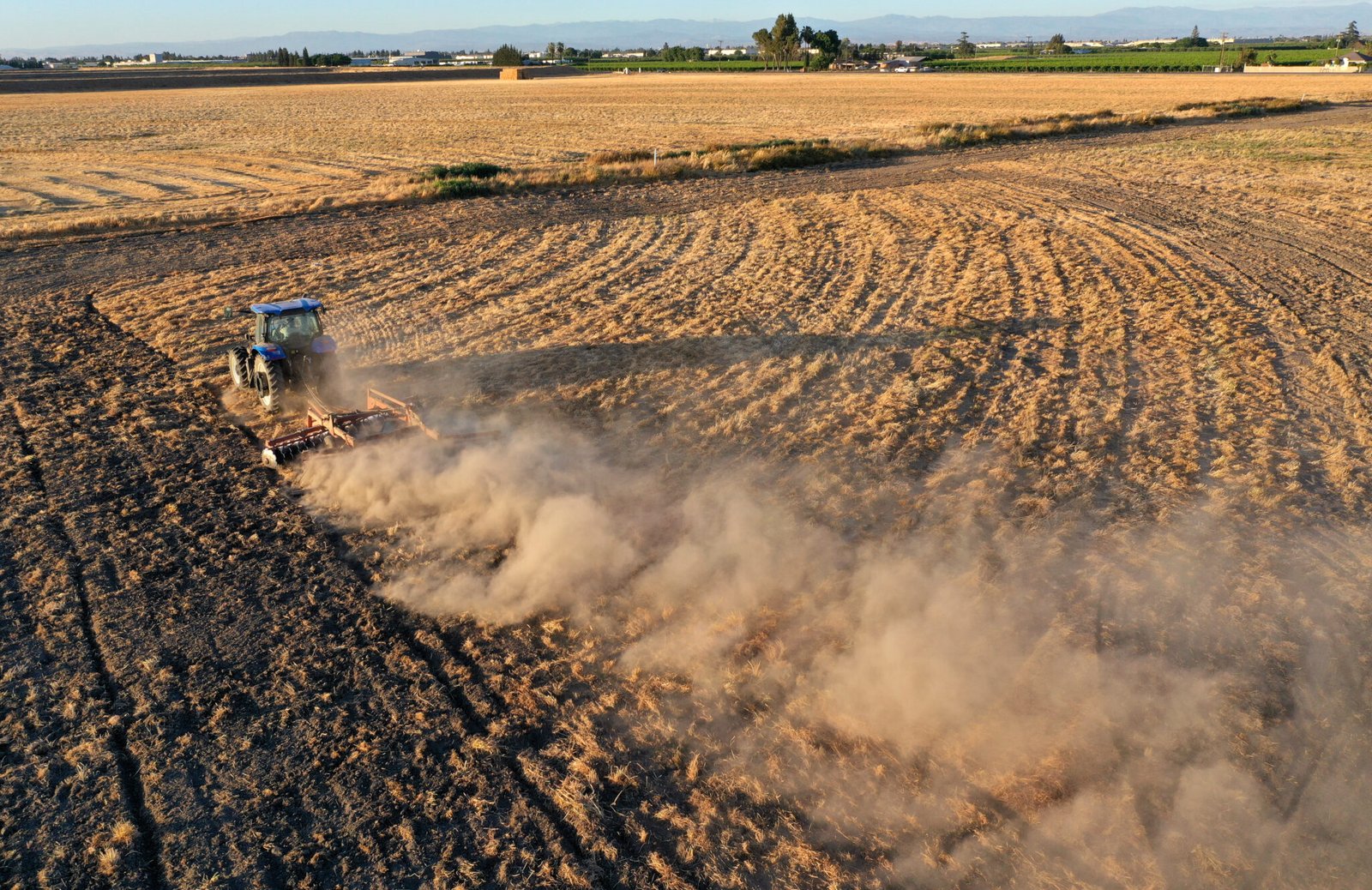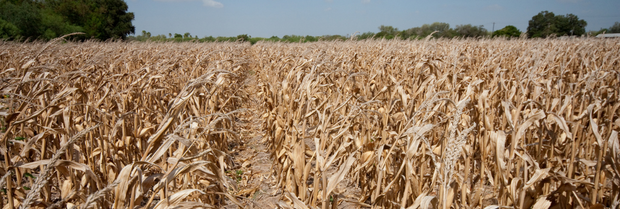
- Reduced yields and quality: Drought stunts crop growth and can lead to complete crop failure, while heat stress reduces milk production in dairy cattle and lowers the quality of beef.
- Increased production costs: Farmers face higher expenses for irrigation and must buy more feed and water for livestock.
- Livestock stress: Lack of water and poor-quality forage from dry pastures can lead to overgrazing and force ranchers to sell off livestock.
- Soil degradation: Drought can lead to soil erosion and reduced soil fertility, which can impact future harvests.
- Higher food prices: Lower yields and higher expenses for farmers can result in increased prices for consumers.
- Job loss and migration: Reduced income can lead to job losses in the agricultural sector and cause farmers to migrate to urban areas.
- Economic hardship: Droughts create widespread economic impacts that can affect the entire food system, from input suppliers to consumers.
- Water scarcity: Droughts reduce the availability of water for irrigation, which can lead to conflicts between agricultural and other sectors.
- Increased wildfire risk: Dry conditions increase the risk of wildfires, which can destroy farmland and pose a threat to farm and ranch communities.
- Ecosystem disruption: Droughts can contribute to outbreaks of pests and diseases, and alter ecosystem functions like pollination and soil health.
Agricultural Production Losses
The primary direct economic impact of drought in the agricultural sector is crop failure and pasture losses. These costs are often passed on to consumers through increased prices and/or they may be offset through government disaster assistance programs. Indirect impacts of drought in the sector can include reduced supplies to downstream industries, such as food processors, and reduced demand for inputs, such as fertilizer and farm labor. The non-market impacts of production losses include mental health strain on farmers.
Decreased Water Availability for Agriculture
The depletion of water availability in soils causes significant declines in crops and livestock productivity. In addition, surface and groundwater supplies may decline during drought, affecting water availability and increasing costs to access water for crop or forage irrigation and watering livestock. With a return to normal precipitation, soil moisture typically recovers long before surface and groundwater supplies are replenished.
Pests and Diseases
Drought, coupled with high temperatures, may expand the distribution and incidence of pests and diseases that affect crops, forage, and livestock.
Specialty Crops
Most specialty crops (such as fruits, vegetables, tree nuts, and medicinal herbs) are more vulnerable to drought than field crops and have a higher value per unit of land/water. They may therefore represent a higher risk for experiencing economic loss in drought if the crop water demand exceeds water supply.