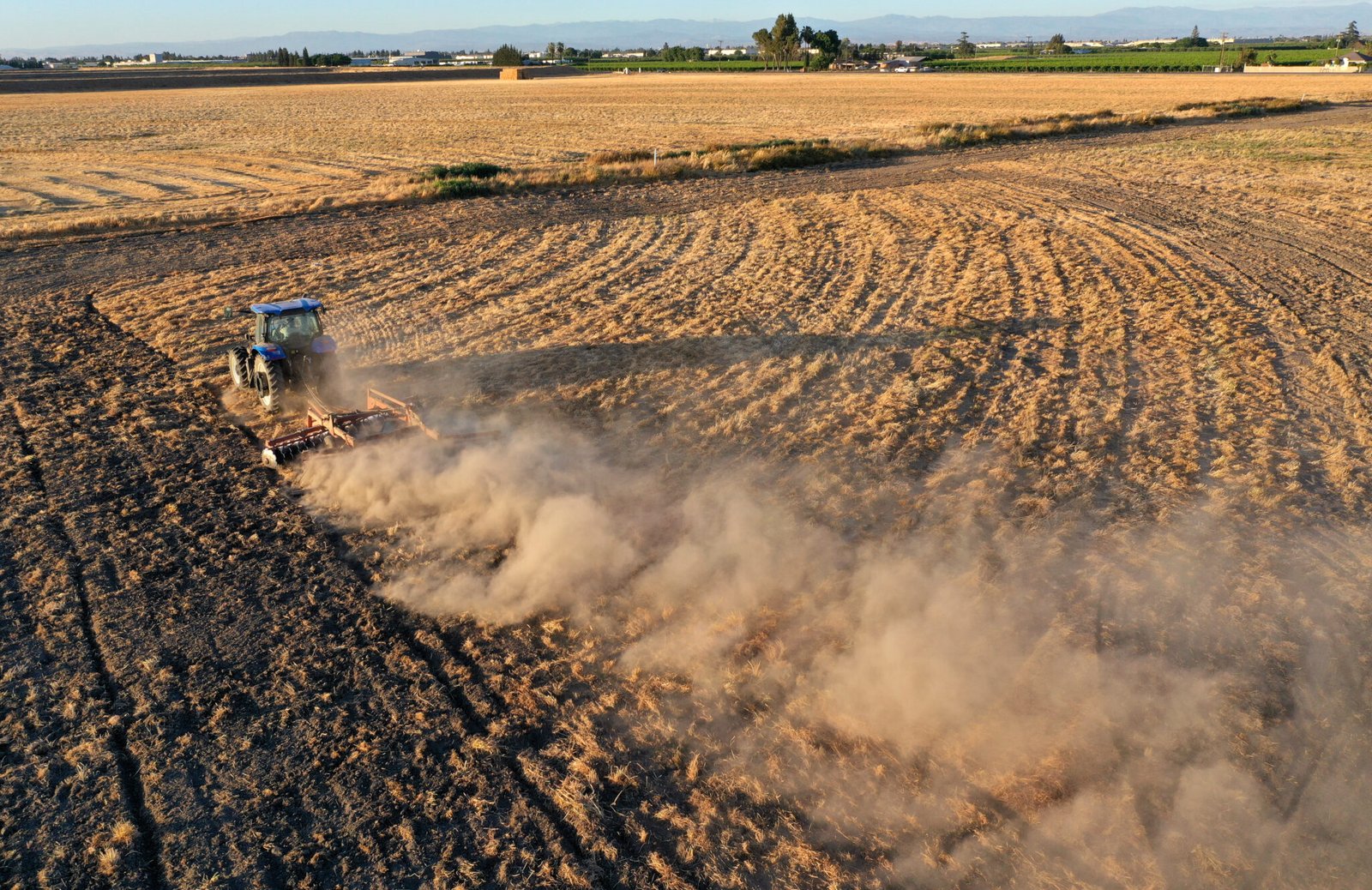
The California farm water crisis is a multifaceted problem driven by climate change, reduced rainfall, and a high demand for water that exceeds supply. This has led to significant consequences, including the fallowing of hundreds of thousands of acres of farmland, substantial economic losses for farmers, job cuts, and reduced consumer access to fresh produce. Farmers are increasingly turning to groundwater, but over-extraction is unsustainable and requires long-term solutions.
Causes
- Climate change: A hotter and drier climate leads to less snowfall, more evaporation, and greater water consumption by the environment.
- Drought: Extended periods of record dryness have severely depleted reservoirs and surface water supplies.
- Groundwater over-extraction: As surface water becomes scarce, farmers have pumped more water from aquifers, leading to concerns about long-term sustainability.
- Human factors: Over-extraction, drainage networks, and governance issues have compounded water-related risks for agriculture.
Consequences
- Reduced farmland: Irrigated farmland has been reduced by hundreds of thousands of acres, with some projections suggesting a need to retire even more to balance groundwater levels.
- Economic impact: The crisis has resulted in billions of dollars in economic losses for the state’s agriculture sector.
- Job losses: Water restrictions have led to job cuts in the agricultural industry.
- Impact on consumers: The crisis affects the supply of fruits, vegetables, and other farm products for consumers.
Potential Solutions
- Increased efficiency: Farmers are being encouraged to adopt more efficient irrigation methods.
- Groundwater management: Stricter regulations are being implemented to manage and protect groundwater supplies and bring aquifers into balance.
- Policy and programs: The state is working on new policies, programs, and tools to improve agricultural resilience to water scarcity and excess.